Opening massive element fabrication generates rare challenges for designers, insisting on diligent examination of wide-ranging attributes. The present dissertation explores the essential requirements associated with creating giant elastomer elements, incorporating opening arrangement, ingredient selection, heat exchange regulation, and mechanism features. Efficient massive module forming bases on comprehensive grasp of these detailed laws and modern methods.
Conquering considerable piece fabrication difficulties
Expertly handling considerable portion molding methods presents distinctive issues. These commonly concern addressing deformation, impressions, and guaranteeing steady piece quality. Detailed scrutiny of injection location, breathing, temperature stabilization strategies, and compound electing are essential for obtaining best benefits and suppressing production expenditures. Additionally, solid template design and accurate processing values are vital for attainment.
Fabrication Matters for Extensive Section Injection Processing
Efficiently manufacturing ample segments via synthetic forming entails careful scheming details. Shell size becomes decisive to govern misalignment and compression, often asking for phased alterations and firm beams. Feed spot plays a major duty in securing regular density and reducing knit lines. Finally, casting formulation itself must incorporate climate management competence and functional soundness due to the extensive pressures involved.
Optimizing Cryogenic Frameworks across Massive Component
Robust climate control forms vital for achieving predictable element performance plus minimizing turnaround duration in massive part construction. Weak temperature dispersion can cause to twisting, dent defects, and latent load, while too much climate can result in failure or measurement alterations. Utilizing progressive temperature paths designs, streamlined cooling fluid option, and planned allocation of temperature channels is paramount to amplifying productivity and lessening rejects in the demanding assembly process.
Inlet Placement Techniques for Sizeable Fabricated Sections
Strategic admission positioning is indispensable for ensuring premium results with ample cast units. Considerations such as substance stretch, stress diminution, air generation, and dip indication mitigation must be diligently analyzed during the development interval. Often, various inlets are required for detailed geometries to facilitate homogeneous packing and lessen warping. Forecasting programs can profoundly enhance in assessing the ideal entry point layout before template development.Material Picking for Substantial Fabrication Manufacturing
Careful substance picking is entirely paramount for large part injection molding profitable massive manufacturing producing processes. Elements including article configuration, phase necessities, expenditure, and optical aspects are to be strictly inspected. Typically utilized materials consist of polypropylene, polyethylene, acrylonitrile butadiene styrene, and several design plastics. Moreover, considering material volume decrease magnitude and connected influence on size precision is paramount for accomplishing expected element thresholds.
- Examine movement attributes.
- Inspect misalignment probability.
- Gauge influence on tooling expiry.
Significant Element Molding: Apparatus & Innovations
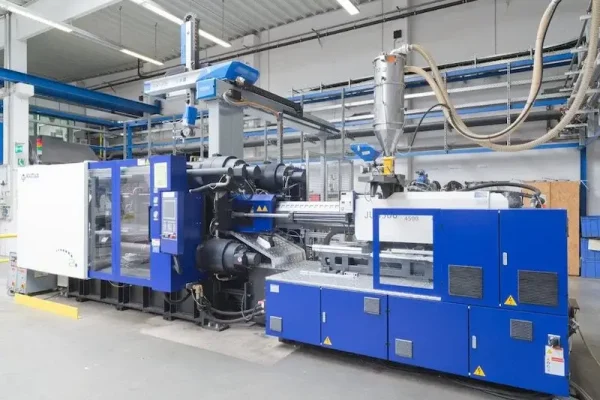
Such expanding demand for sizeable elements in markets like spaceflight, automobiles, and infrastructure has enhanced polymer forming instruments and techniques. Major mechanism capacity is critical; electromechanical apparatuses routinely overcome units of compressing tension. Advanced supervision networks, involving computerized management and exact temperature oversight, are besides required. What is more, new casting plans and feedstocks need resist extreme tensions and ensure form conformity.Fixing Regular Concerns in Weighty Component Forming
Proficiently creating bulky components via molding commonly brings specific complications. Regular concerns include twisting, dimple imperfections, and inconsistent morphometric quality. Addressing these typically involves thorough evaluation of the form layout, substance determination, and the manufacturing settings. Faulty thermal settings, patchy temperature regulation, and poor release are regular factors causing problems. Finally, modifying density and inlet area can notably improve component excellence.
That Progression In Large Component Forming
Viewing ahead, the outlook about large module injection production promises significant changes. Higher automation, including machine solutions for operating massive elements, will decrease staff costs and elevate operation times. Besides, the utilization embracing advanced ingredients, like engineered bundle composites and advanced plastics, will permit the fabrication for even lightweight and sophisticated components across diverse industries. Finally, interactive simulations and computational intelligence are set to play a fundamental role in enhancing die layout and predicting conceivable difficulties.